


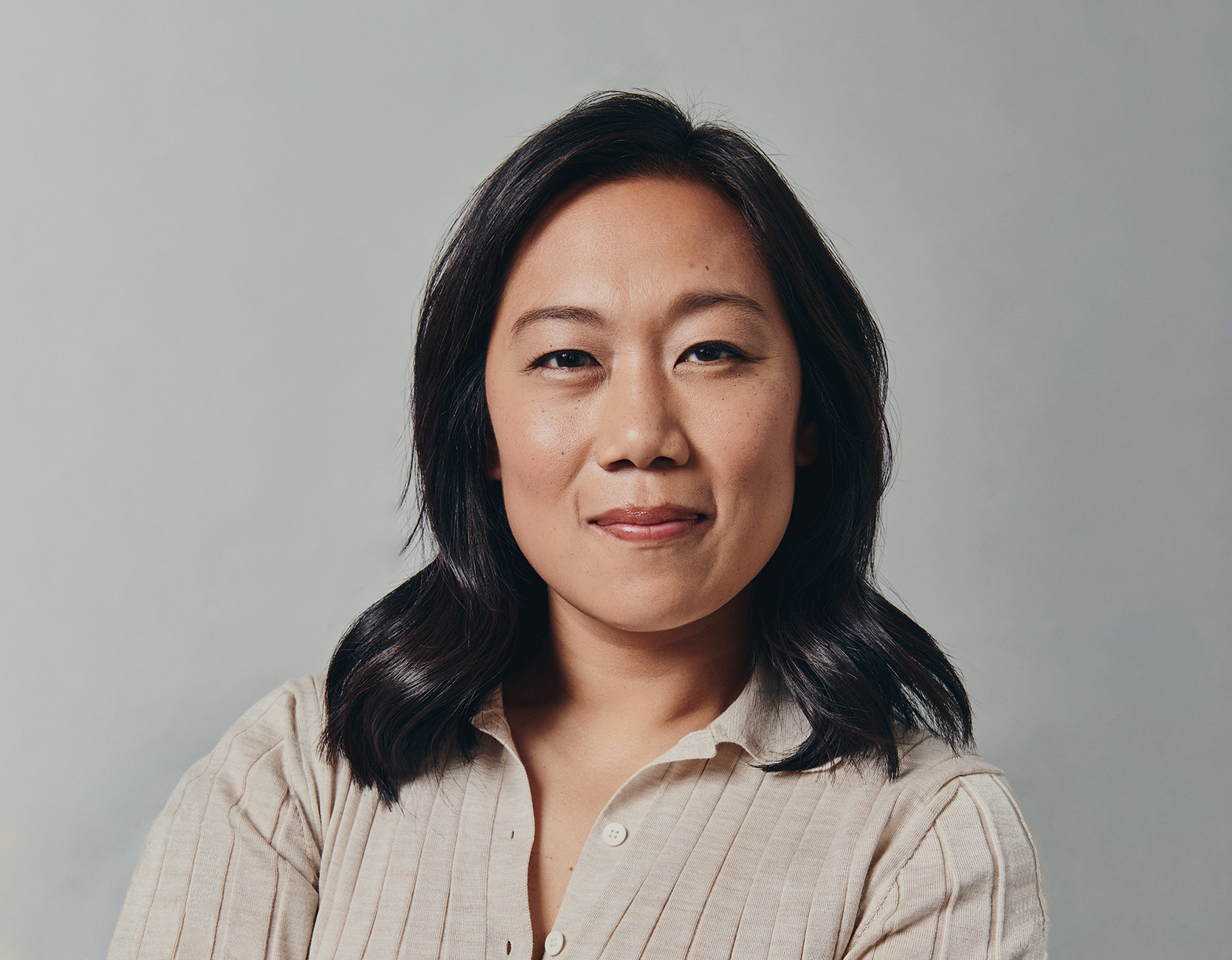
Priscilla Chan
Priscilla Chan is the co-founder and co-CEO of the Chan Zuckerberg Initiative, where she leads efforts to advance biomedical research and technology to help scientists cure, prevent, or manage all disease by the end of this century. As a pediatrician, her firsthand experience caring for patients has fueled her commitment to accelerating scientific discovery. Priscilla’s leadership at CZI has focused on harnessing AI, building cutting-edge research tools, and funding innovative science to unlock new insights into human biology. She earned her bachelor's degree in biology from Harvard University and her doctor of medicine from the University of California, San Francisco, where she also completed her pediatrics residency.
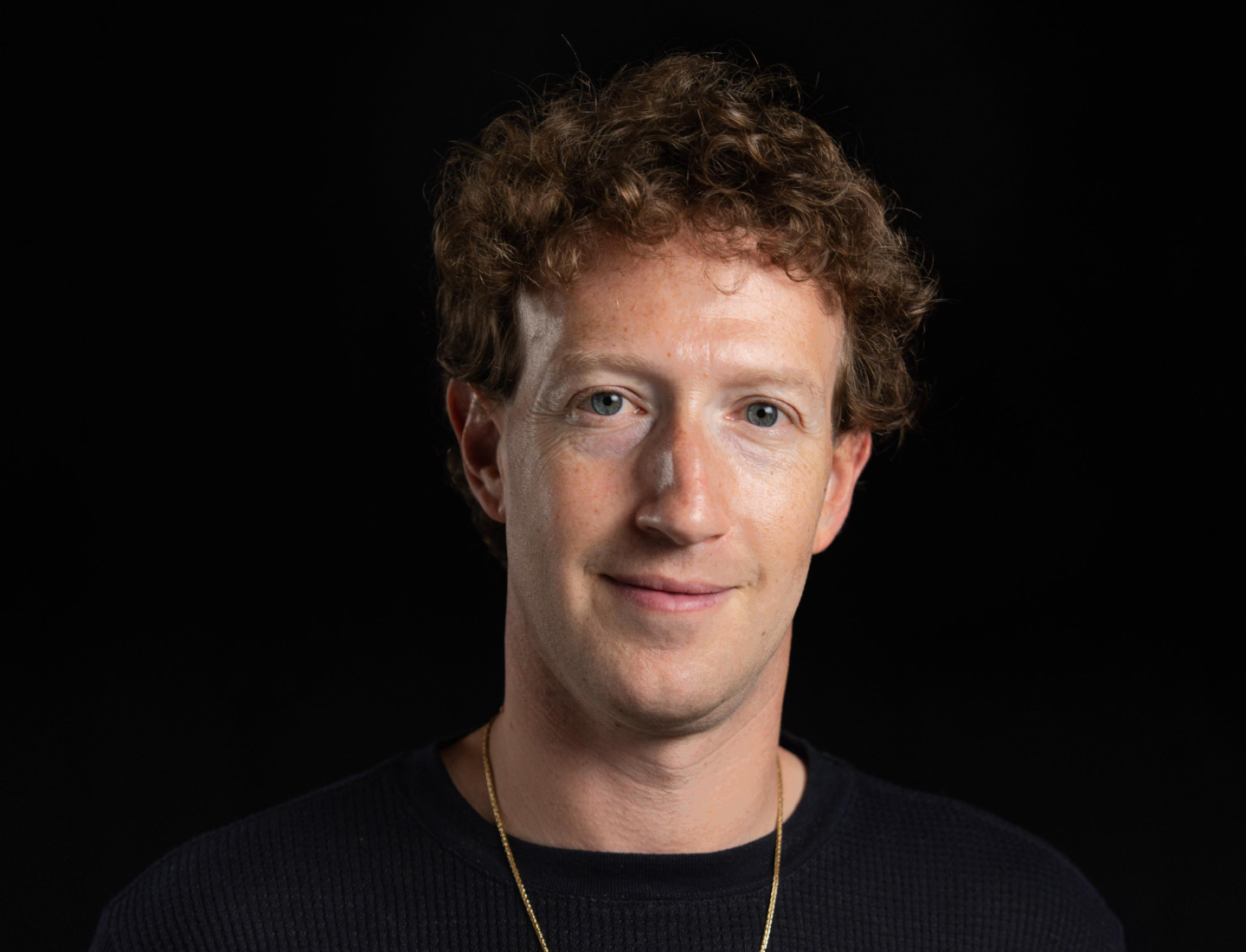
Mark Zuckerberg
Mark Zuckerberg is co-founder and co-CEO of the Chan Zuckerberg Initiative, where he brings deep technical expertise and experience building communities to inform the organization’s work. Mark is also the founder and CEO of Meta, where he leads the development of the company's products and technology. He studied computer science at Harvard University before moving to Palo Alto, California, in 2004.
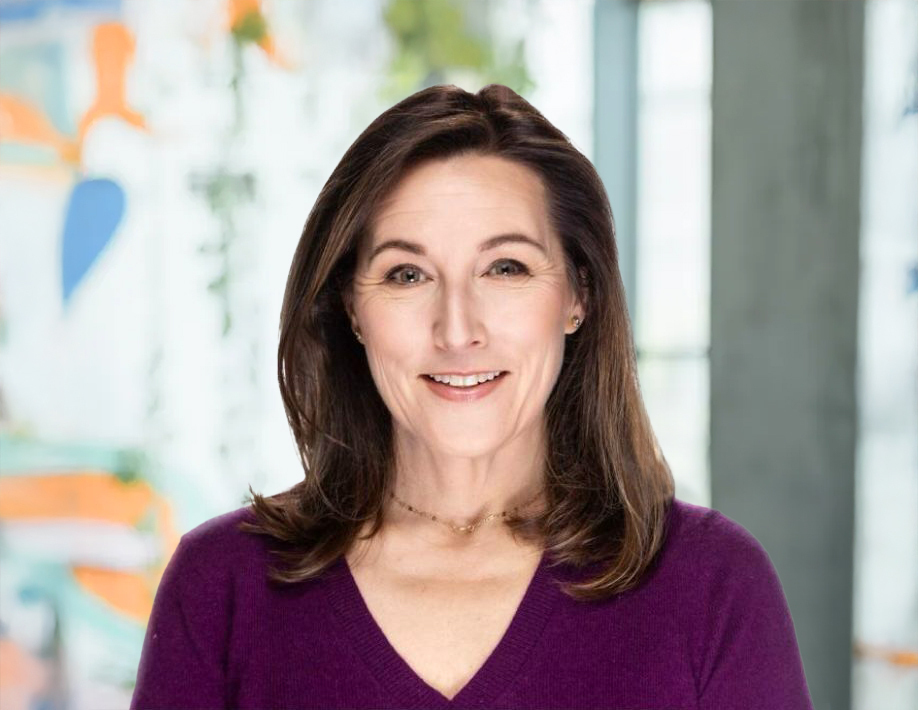
Lori Goler
Lori Goler is president of the Chan Zuckerberg Initiative, where she oversees CZI’s work in science and education, leads the organization's operations and empowers teams to deliver with purpose and impact. She previously served as chief people officer at Meta, overseeing the company’s global people strategy and operations over a 16-year period during which Meta scaled from approximately 500 people to more than 80,000 people and was consistently celebrated as one of the best places to work. Earlier in her career, she was General Manager of eBay Stores, a founding executive at eStyle, and held business planning roles at The Walt Disney Company. Lori served on the Board of Directors of Stanford Health Care for nearly a decade, gaining firsthand insight into the power of science and technology to improve lives. She holds a bachelor’s degree from Yale University, an MBA from Harvard Business School, and a master’s in public policy from Harvard’s Kennedy School of Government.
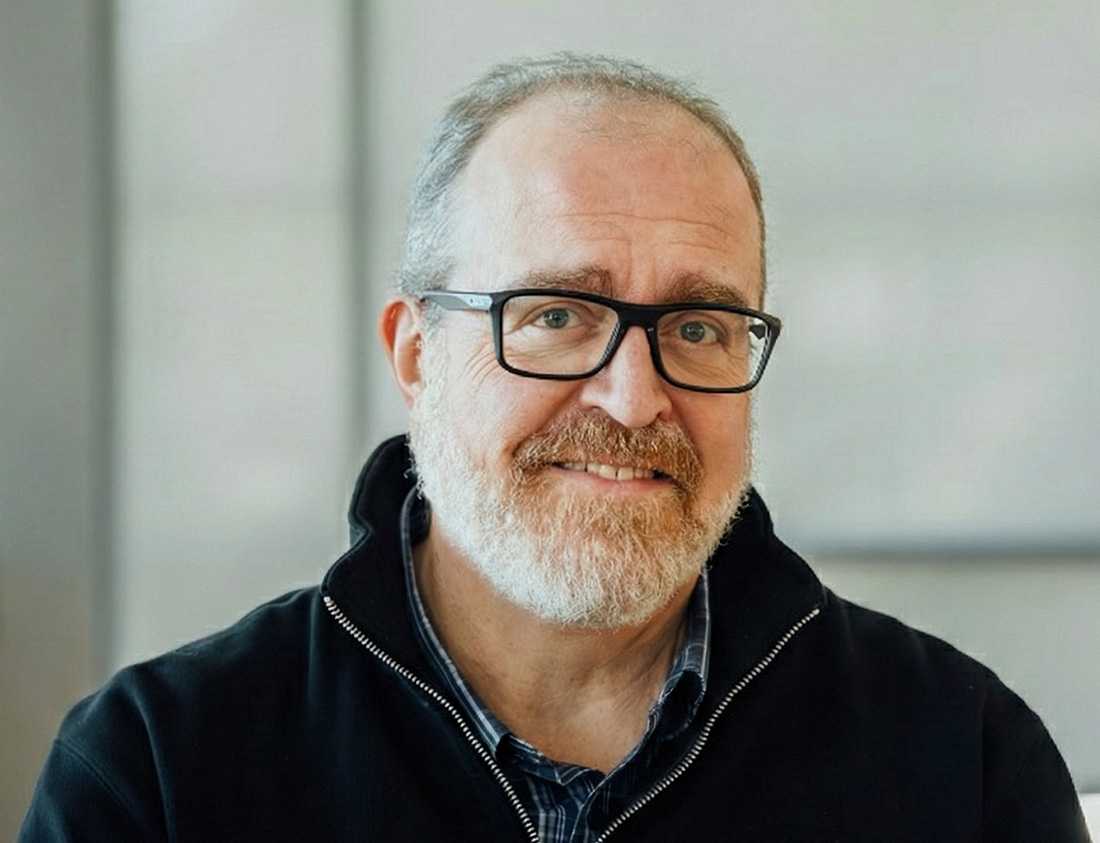
Marc Malandro
Marc Malandro is the chief operating officer of the Chan Zuckerberg Initiative, where he is focused on optimizing operations across the entire organization. Marc started as the vice president for science operations and helped build the science program and science team. Before that, Marc served at the University of Pittsburgh as the vice chancellor for technology management and commercialization and the founding director of the Innovation Institute, whose mission was to create, support and sustain a culture of innovation, entrepreneurship and collaboration on campus. Prior to joining the university, Marc co-founded Sagres Discovery, a systems biology company focused on the understanding of the molecular basis of cancer. Marc received his bachelor's and master's in biological sciences and Doctor of Science from Youngstown State University. He also holds a doctorate in biochemistry and molecular biology from the University of Florida College of Medicine.
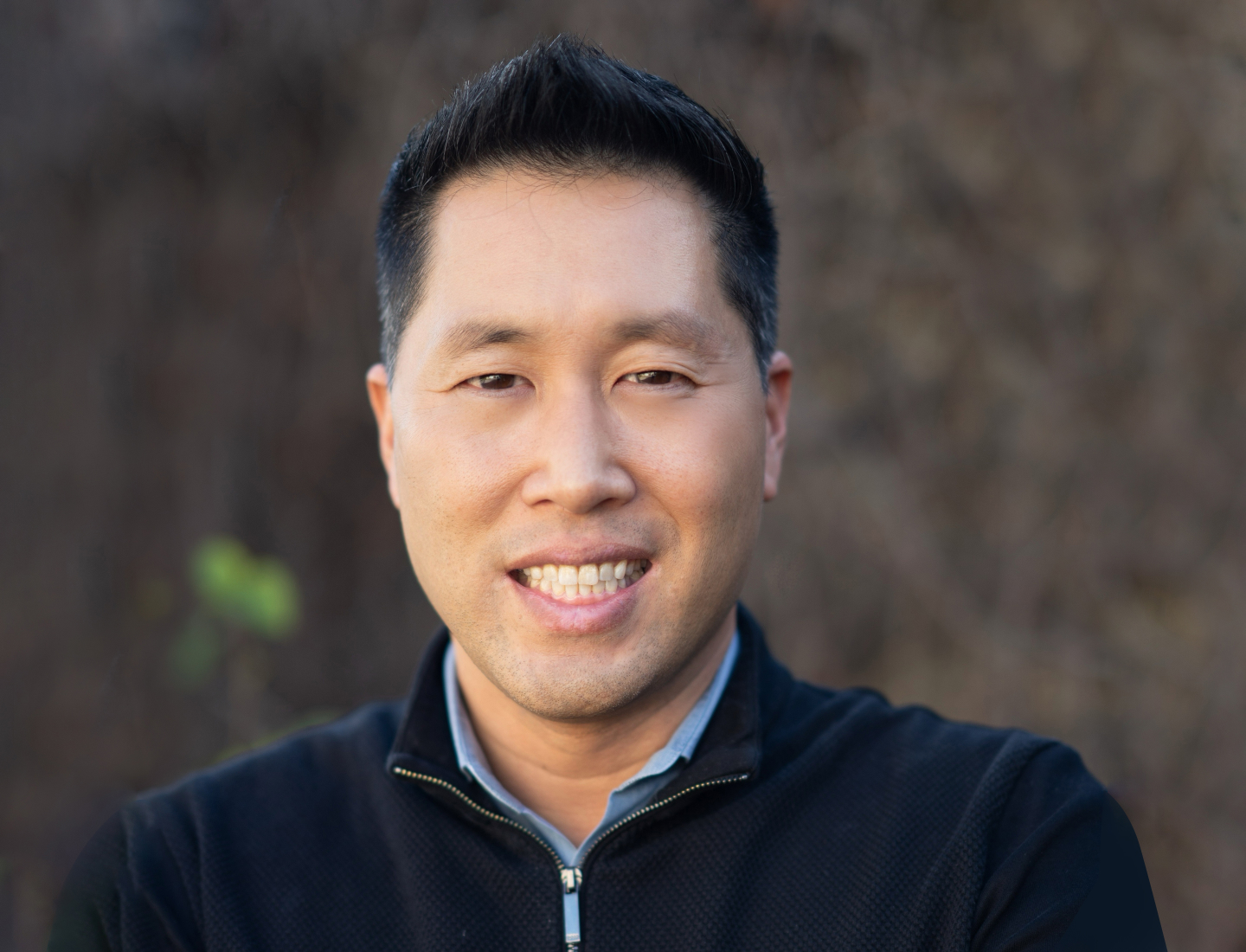
Mark Kim
Mark Kim is the general counsel for the Chan Zuckerberg Initiative. Before joining CZI, Mark was a partner at Munger, Tolles & Olson (MTO), where he practiced corporate law, with a focus on mergers and acquisitions, joint ventures and corporate governance. While at MTO, Mark played an integral role in the structuring and establishment of both CZI and Biohub and represented CZI and Biohub as lead outside counsel. Mark received his law degree from Yale Law School, where he served as a student director for the Advocacy for Parents and Children legal clinic, and received his undergraduate degree from Harvard College. Following law school, Mark clerked for Judge Pamela Ann Rymer on the United States Court of Appeals for the Ninth Circuit.
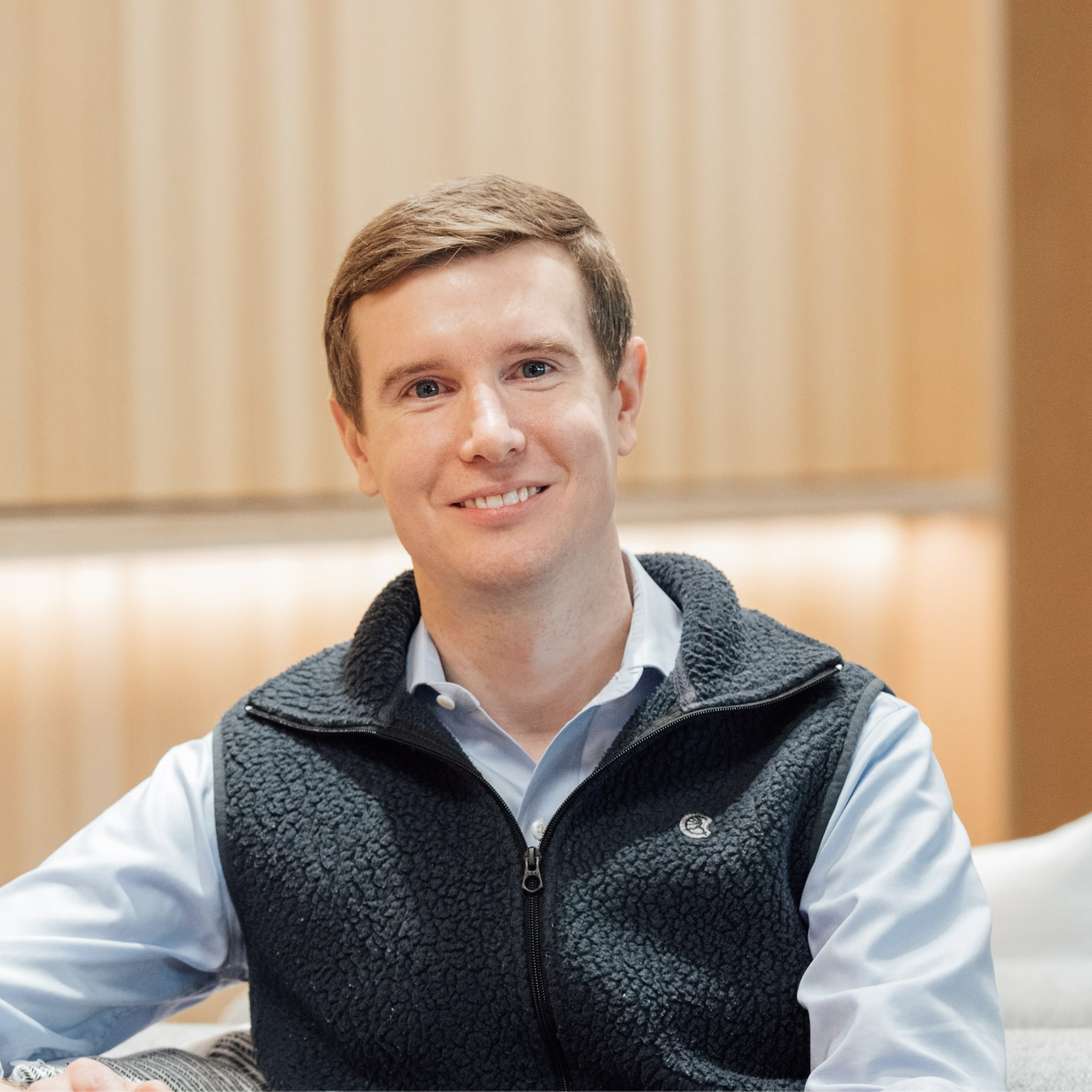
David Lee
As the Chan Zuckerberg Initiative’s chief investment officer, David Lee is responsible for managing CZI’s investment portfolio, which funds the organization’s efforts across science, education, and within our communities. David came to CZI from the Princeton University Investment Company, where he worked on asset allocation and the marketable asset categories, including domestic equity, international equity and independent return. Prior to Princeton, David worked at ABN AMRO in London, England. He earned a first-class honors degree in economics and econometrics from the University of York, holds a Master of Science with distinction specializing in quantitative finance from the University of Reading, and received an MBA from the Yale School of Management. He is a CFA Institute charterholder.
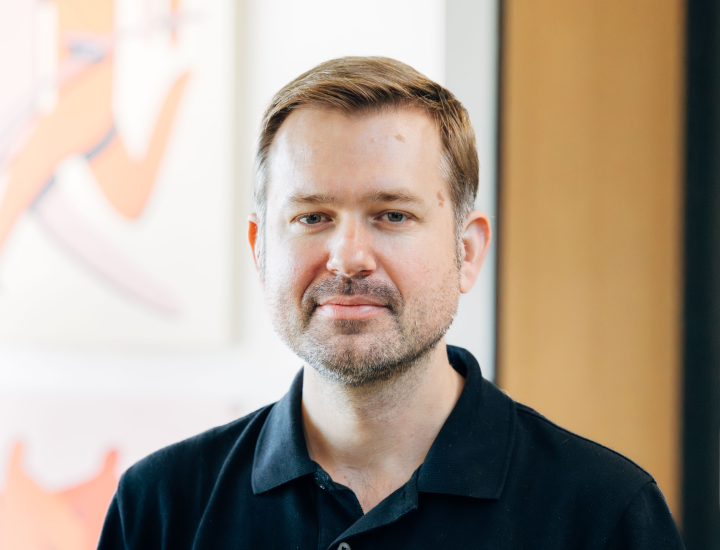
Alex Rives
Alex Rives is head of science at the Chan Zuckerberg Initiative, leading its work at the intersection of artificial intelligence and biology. Alex was a founder and chief scientist at EvolutionaryScale, a public-benefit company developing AI to accelerate scientific discovery in biology, and delivering transformative AI systems and applications to benefit the global scientific community. Rives is a core institute member at the Broad Institute, and an assistant professor in the Department of Electrical Engineering and Computer Science at MIT. He will continue to be affiliated with Broad Institute and MIT.
As a scientist, Rives has done pioneering work in artificial intelligence for biology. He started and led the Evolutionary Scale Modeling, or ESM, project at Meta’s fundamental AI research lab, which developed the first large scale transformer language models for proteins. The ESM models are widely recognized as a breakthrough in artificial intelligence for biology, and opened the field of language modeling in biology. These models are used by scientists worldwide, enabling applications including designing therapeutic proteins such as antibodies, predicting the effects of mutations in the human genome, illuminating evolutionary history, discovering new proteins, and creating models of the cell. Rives earned a bachelor’s degree in philosophy and biology from Yale University and a doctorate in computer science from New York University.
Marc Malandro
Marc Malandro is the executive director of Biohub. Marc started as the vice president for science operations and helped build the science program and science team. Before that, Marc served at the University of Pittsburgh as the vice chancellor for technology management and commercialization and the founding director of the Innovation Institute, whose mission was to create, support and sustain a culture of innovation, entrepreneurship and collaboration on campus. Prior to joining the university, Marc co-founded Sagres Discovery, a systems biology company focused on the understanding of the molecular basis of cancer. Marc received his bachelor's and master's in biological sciences and Doctor of Science from Youngstown State University. He also holds a doctorate in biochemistry and molecular biology from the University of Florida College of Medicine.
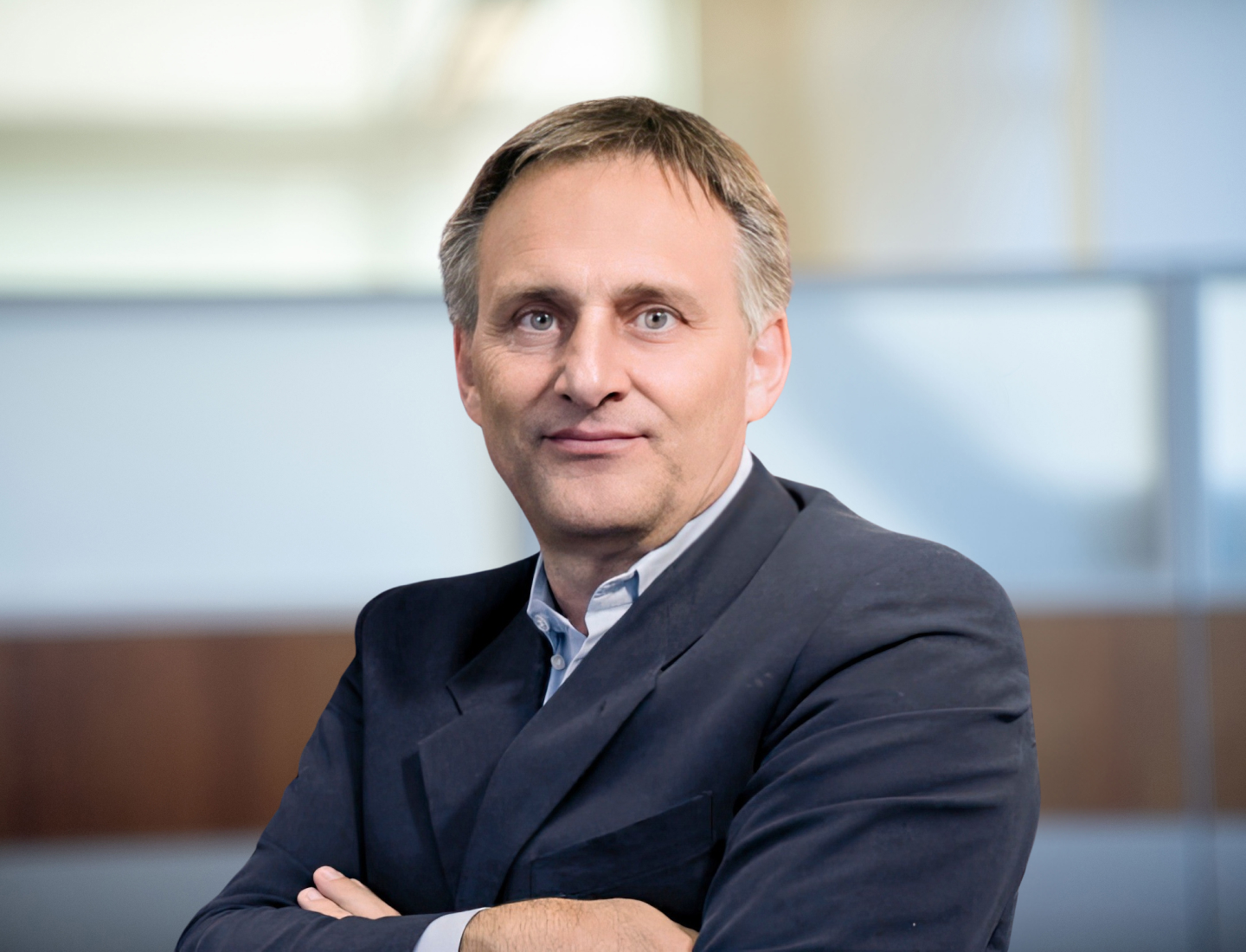
Andrea Califano
Andrea Califano is president of immune cell reprogramming and head of Biohub New York. Before joining Biohub, he was the Clyde and Helen Wu Professor of Chemical and Systems Biology at Columbia University Vagelos College of Physicians and Surgeons, holding cross-appointments in Biochemistry and Molecular Biophysics, Biomedical Informatics, and Medicine. From 2013 to 2023, he served as founding chair of Columbia’s Department of Systems Biology and director of the JP Sulzberger Columbia Genome Center. A native of Italy, Califano earned his doctorate in physics from the University of Florence and completed postdoctoral work at MIT. He began his career at IBM’s TJ Watson Research Center, where he became program director of the Computational Biology Center, co-founded First Genetic Trust Inc. in 2000, and joined Columbia in 2003.
An internationally recognized pioneer in reverse-engineering gene regulatory networks, Califano discovered Master Regulator proteins that drive the transcriptional states of cancer cells across tumor types. His work has led to insights into tumorigenesis and drug response, spurring multiple clinical trials in cancers such as breast, pancreatic, and glioblastoma. He serves on numerous national scientific and editorial boards, including at the MIT Koch Cancer Center and Dana-Farber Cancer Institute. Califano is a member of the National Academy of Medicine and a fellow of AAAS, the IEEE, and the American Association for Cancer Research Academy. His honors include two NCI Outstanding Investigator Awards and the 2023 NCI Alfred G. Knudson Award in Cancer Genetics.
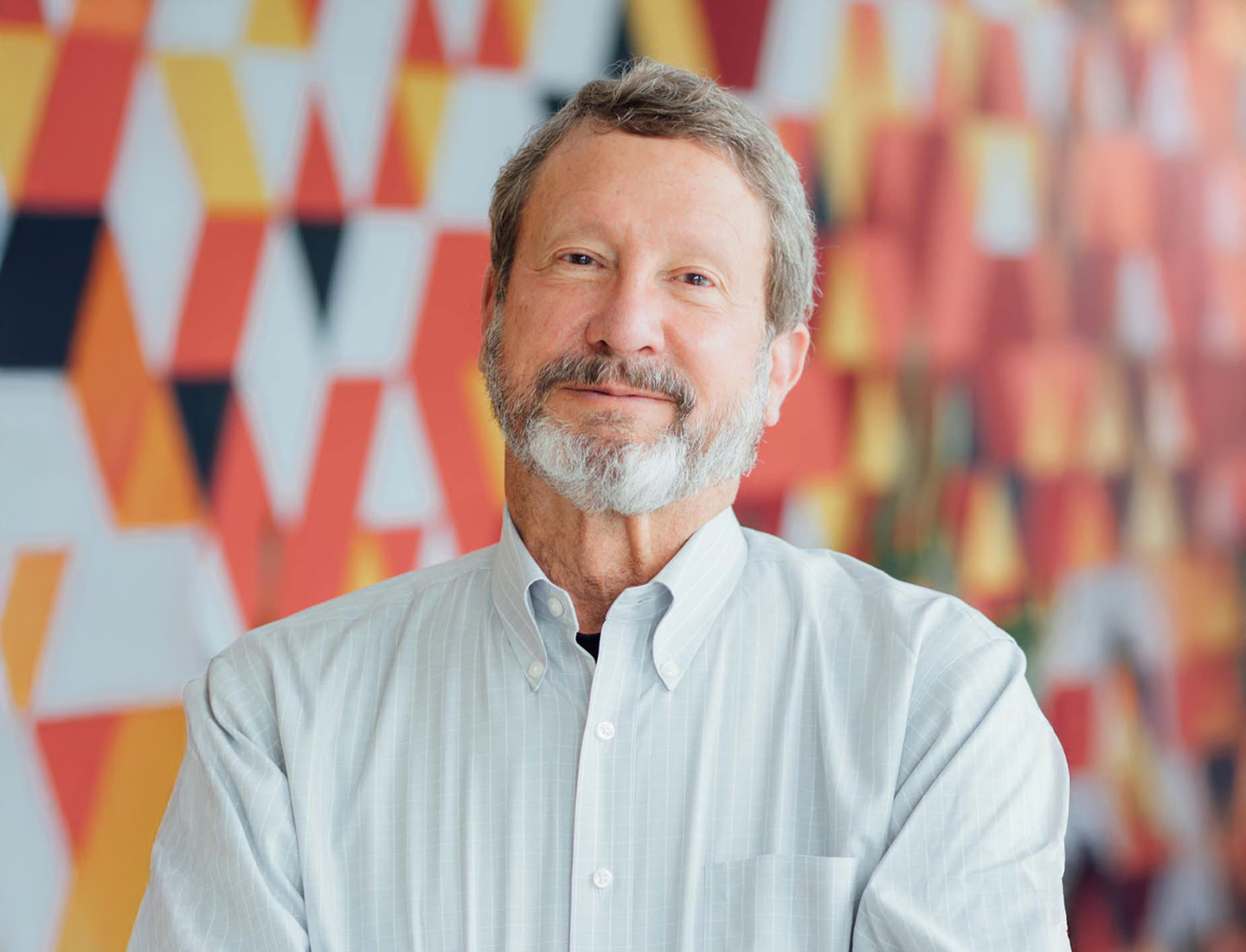
Scott Fraser
Scott Fraser has a long-standing commitment to quantitative biology, applying the tools of chemistry, engineering, and physics to problems in biology and medicine. His personal research centers on multi-modal, multidimensional, and multiplex imaging analyses of intact biological systems, with an emphasis on early development, organogenesis, and medical diagnostics.
After training in physics (BS, Harvey Mudd College, 1976) and biophysics (PhD, Johns Hopkins University, 1979), he joined the faculty at UC Irvine, and rose through the ranks to become Chair of the Department of Physiology and Biophysics. In 1990 he moved to Caltech to build upon his commitment to interdisciplinary training and translational research, to serve as the Anna L. Rosen Professor of Biology, as well as the Founding Director of the Biological Imaging Center, the Caltech Brain Imaging Center and the Rosen Center for Biological Engineering.
In 2012, he moved to USC to take a Provost Professorship in the Dornsife College of Letters Arts and Sciences, the Children’s Hospital Los Angeles, Keck School of Medicine and the Viterbi School of Engineering. He remains active in interdisciplinary research, serving as the Elizabeth Garret Chair of Convergent Bioscience for the USC campuses. In 2024, he joined the Chan Zuckerberg Initiative as the Vice President of Science Grant Programs, and in 2025 he advanced to become the President of the Chan Zuckerberg Imaging Institute and he now serves as president, dynamic imaging, and head of Biohub, San Francisco.

Shana O. Kelley
Shana Kelley serves as president, bioengineering and head of Biohub, Chicago. Prior to joining Biohub, Shana has been the Neena B. Schwartz Professor at Northwestern in the Departments of Chemistry, Biomedical Engineering, and Biochemistry & Molecular Genetics. The Kelley research group works in a variety of areas spanning bio analytical technology development and has pioneered new methods for tracking molecular and cellular analytes with unprecedented sensitivity. Kelley’s work has been recognized with the ACS Inorganic Nanoscience Award, the ACS Arthur Doolittle Award, the Pittsburgh Conference Achievement Award, the Steacie Prize, an Alfred P. Sloan Research Fellowship, a Camille Dreyfus Teacher-Scholar award, a NSF CAREER Award, and a Dreyfus New Faculty Award. She was also named a “Top 100 Innovator” by MIT’s Technology Review.
Kelley is a member of the American Academy of Arts and Sciences, a Guggenheim Fellow, a Fellow of the Royal Society of Canada, the Canadian Academy of Health Sciences, and the American Institute of Biological and Medical Engineering. Kelley is an inventor on over 50 patents issued worldwide and a successful entrepreneur. She is a founder of four molecular diagnostics companies, GeneOhm Sciences (acquired by Becton Dickinson in 2005), Xagenic Inc. (acquired by General Atomics in 2017), CTRL Therapeutics (founded in 2019), and Arma Biosciences (founded in 2021). She is an Associate Editor for ACS Sensors, and an Editorial Advisory Board Member for the Journal of the American Chemical Society, Nano Letters, and ACS Nano. Kelley was a member of the Executive Leadership team for Medicine by Design, a $114 million multidisciplinary, multi-institutional initiative focused on engineering approaches to regenerative medicine, and was a theme leader for the Nanomedicine Innovation Network, a government-funded effort to unite nanotechnology-focused researchers across Canada. She was also the founder and Director of PRiME, which was launched at the University of Toronto to unite the life sciences, engineering, and clinical communities.
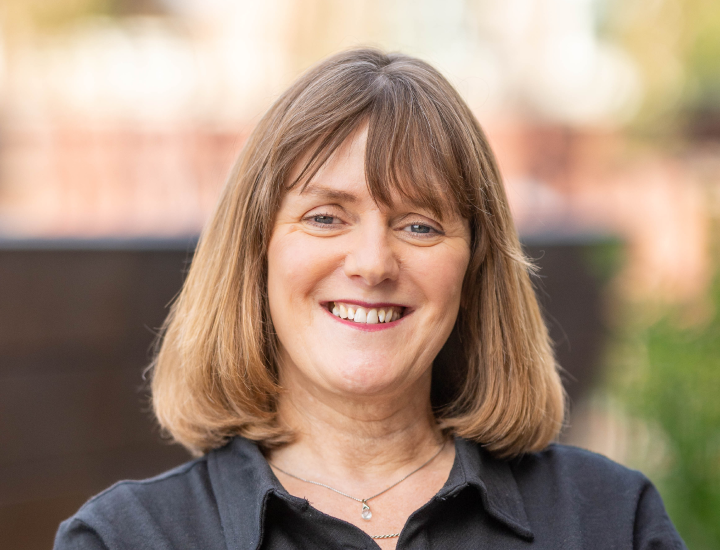
Patricia Brennan
Patricia Brennan serves as vice president, technology and general manager, science. Previously, Patricia held leadership roles at Clarivate and Thomson Reuters, where she led product design, product management and platform development. She is also a product coach and advisor to individuals and organizations, where she assists them in honing and growing their product management practices. Patricia has a master’s in library and information science from the Catholic University of America and a bachelor’s in English literature from the University of Maryland, College Park.
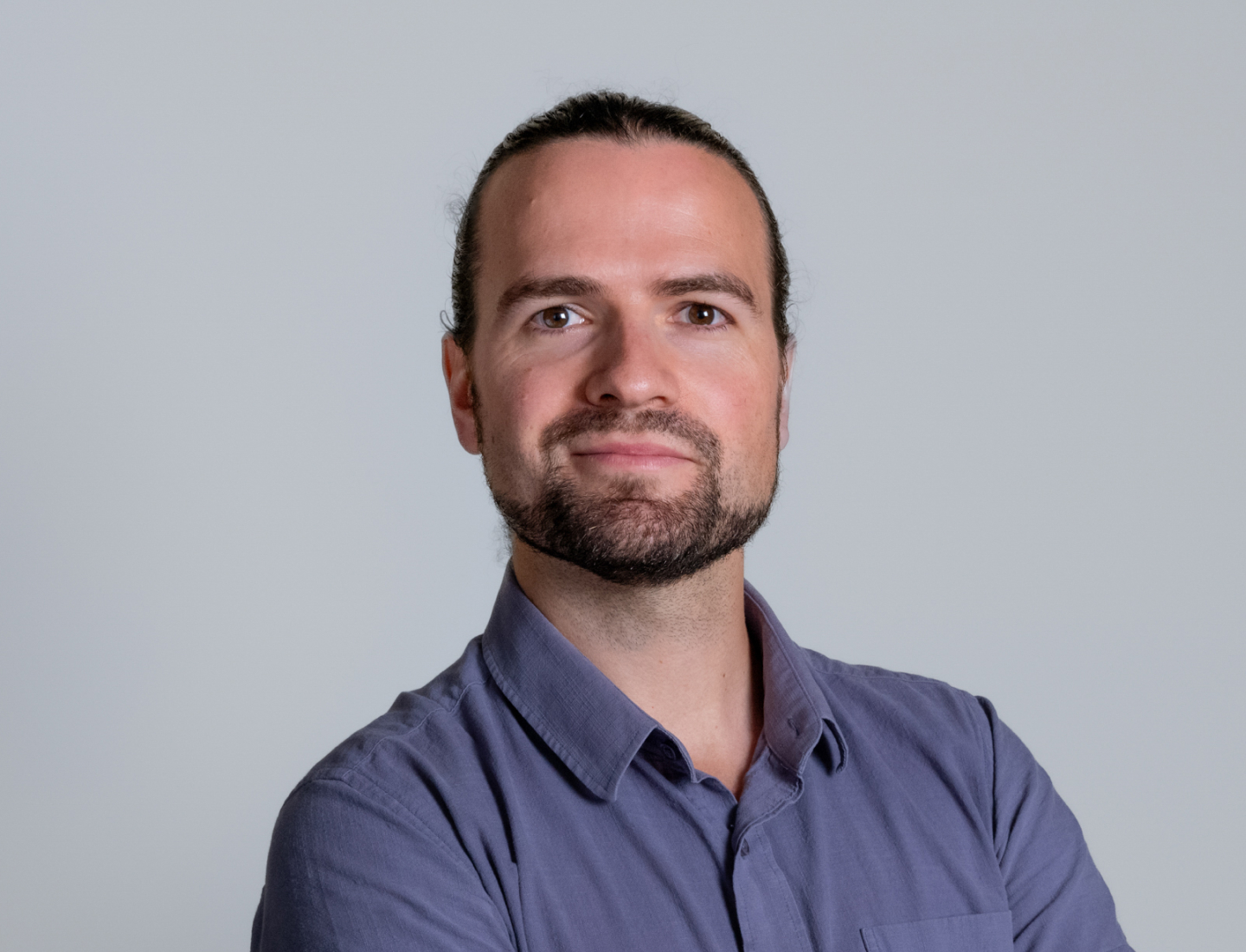
Tom Sercu
Tom Sercu serves as vice president of AI and engineering. Previously, he was co-founder and vice president of engineering at EvolutionaryScale, playing a key role in building the company. His contributions at EvolutionaryScale span across engineering, AI research, leading the company’s organization building and hiring, and setting up much of the operations.
Before becoming an entrepreneur, Tom was an AI research engineer and research manager. His research expertise spans several areas of deep learning, including bridging domains by applying breakthrough neural architectures from computer vision to speech recognition at New York University and IBM Research's T.J. Watson Research Center. He later worked on the theoretical foundations of generative models, precursors to today’s generative AI era, before focusing on the intersection of foundational AI and biology. As co-leader of the protein team at Meta AI (FAIR) in New York, Tom developed with the ESM the first transformer protein language model, ESM-1, followed by ESM-1b, ESM2, ESMFold, and the ESM Atlas resource.
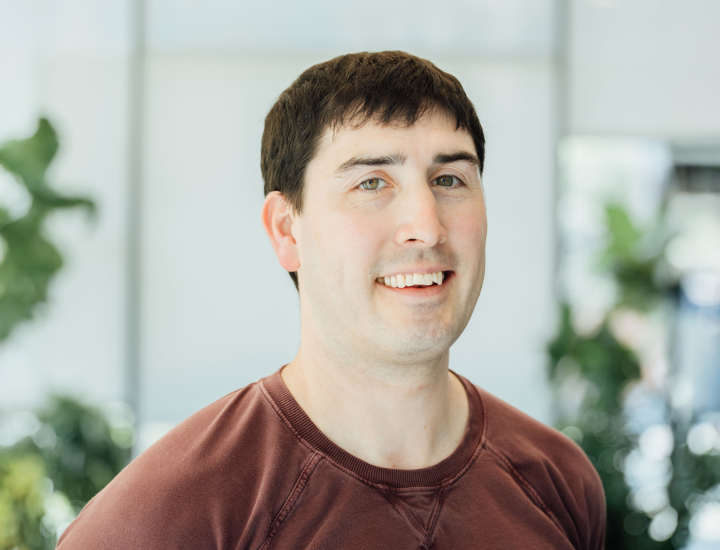
Salvatore Candido
Salvatore Candido is an engineering fellow and vice president. He was previously a co-founder and the chief technology officer of EvolutionaryScale. He has built frontier AI models in a number of domains, recently with a focus on biology, protein design, and scientific reasoning in large language models. At EvolutionaryScale, he spearheaded or made foundational technical contributions to all of the company’s flagship research efforts.
Dr. Candido earned a doctorate from the University of Illinois Urbana-Champaign for work in control systems and artificial intelligence. His previous roles include distinguished software engineering posts at Meta and Google, and chief technology officer at Project Loon. Dr. Candido was a co-lead of the AI for math and science pillar at FAIR at Meta, and was the technical lead who created the AI-based algorithms used to navigate autonomous lighter-than-air aircraft for Project Loon at Google[x]. Prior to Project Loon, Dr. Candido worked on the Google Search algorithm.

Sandra Liu Huang
Sandra Liu Huang is the president of Learning Commons. A product and philanthropic leader, Sandra brings together a world-class engineering team, researchers, educators, and developers at Learning Commons to build AI infrastructure that better connects the ways students learn with the tools they learn with.
Previously, Sandra served as the head of product at Quora, a platform for gaining and sharing knowledge, where she served as their first product manager and oversaw its growth to 100 million monthly unique users. Sandra also led product development in roles at Google and Facebook, where she managed complex, interdisciplinary teams building tools and products such as Google AdWords and Google AdSense. She holds bachelor's and master's degrees from Stanford University.
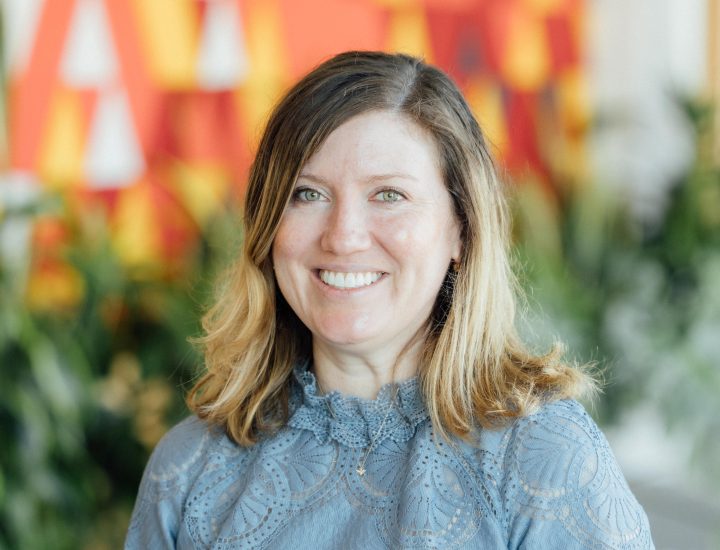
Kristin Vincent
Kristin Vincent is senior director of product, design, and research at Learning Commons where her work focuses on building and creating solutions to equip educators and students with the research and tools they need to center students’ well-being in support of academic achievement and success. Kristin has spent 20 years in product development, leading teams at Pearson and Stride (K12 Inc.). She specializes in transforming complex educational challenges into user-friendly solutions that drive real results. She brings deep expertise in how technology makes its way into schools, the challenges surrounding implementing tools with fidelity, and how to bring solutions to a system that is overwhelmed.
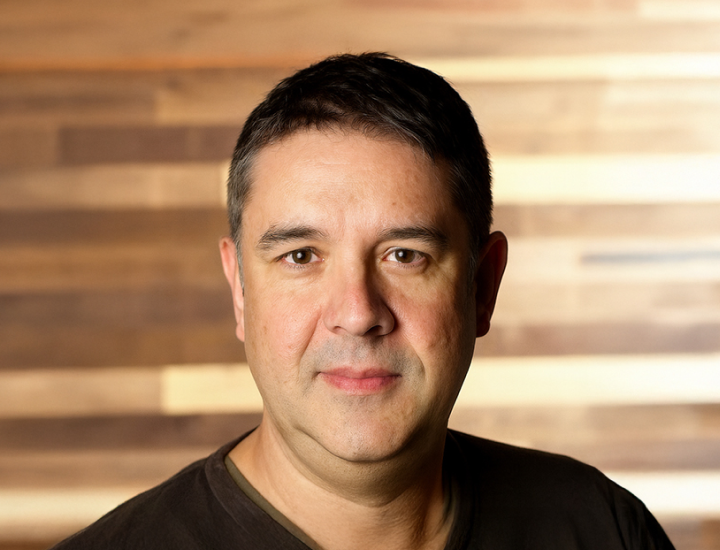
Dan Quine
Dan Quine is senior director of engineering at Learning Commons. Dan is a computer scientist and technology leader who has worked at major firms, including Apple and Google. His early work focused on machine-learning methods for pattern recognition and human-computer collaboration.
During his career, he has held roles such as CTO of the live-music startup Songkick and VP of engineering at analytics firm Mode Analytics. He received a B.Sc. in Computer Science from the University of Leeds and earned his Ph.D. in Artificial Intelligence from Leeds in 1995.
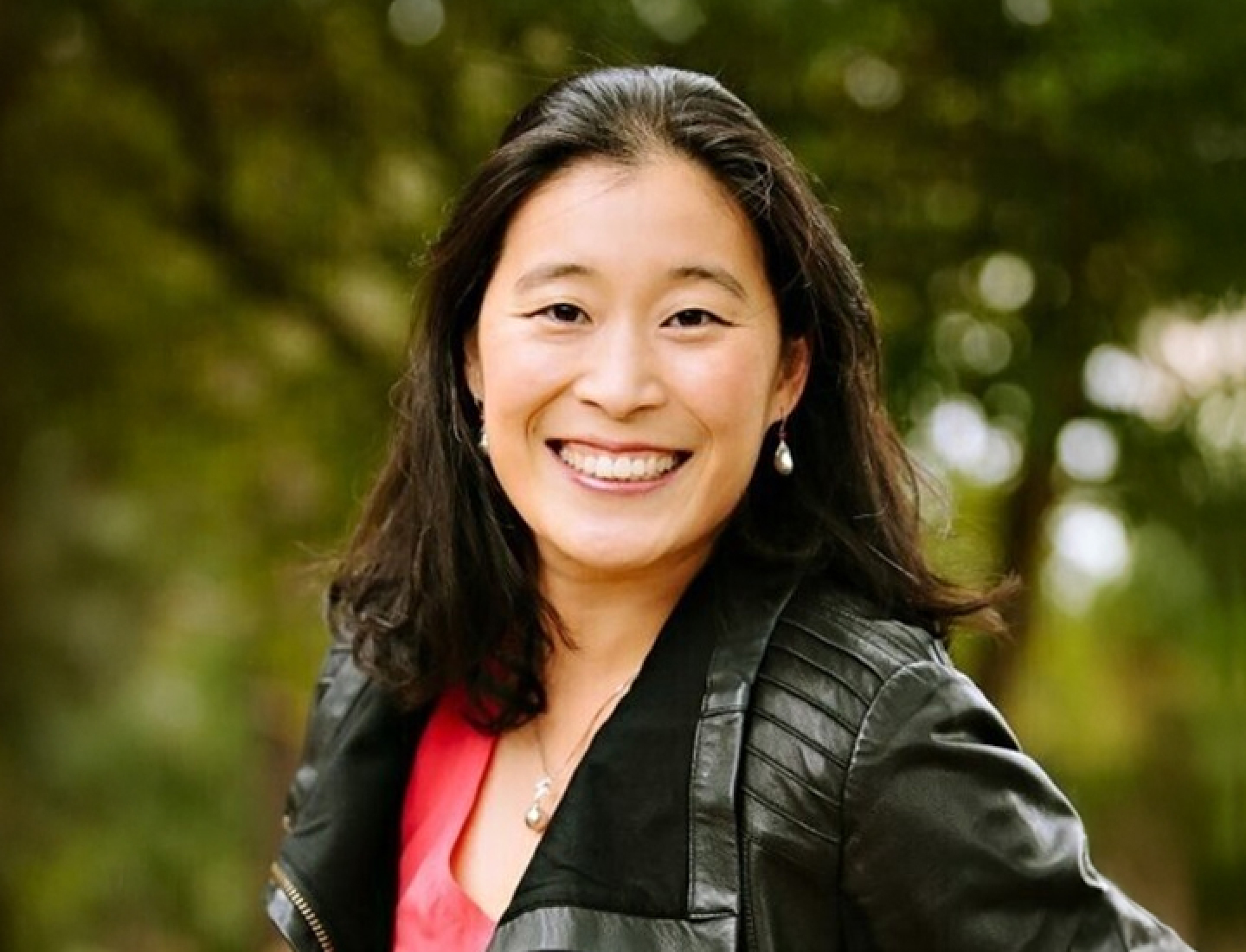
Helen Hwang
Helen Hwang is senior director, strategic partnerships and product marketing, overseeing product marketing and strategic partnerships. In her role, she is helping drive strategy and go-to-market efforts for Learning Commons to create foundational, open AI Resources and Applications that help the field utilize learning science research and insights to help all learners thrive.
Prior to her current role, Helen was a co-founder and partner at Lede Labs, where she consulted for edtech AI startups. Helen also spent over a decade combined at Salesforce and Google — founding the K-12 vertical for Salesforce and serving as the VP of Education Industry for K-14+ and overseeing four new product launches, as well as helping launch Chromebooks for Education and Google Apps/Classroom in the US and globally as one of the original Google for Education team members. Helen’s past experience also includes Sesame Street, NewSchools Venture Fund, McKinsey, Digitas and Lehman Brothers. She is passionate about driving change in education to improve access to quality education for all.

Raymonde Charles
Raymonde M. Charles is the vice president of communications for Learning Commons and ventures. For more than two decades, Raymonde has served as an advisor to senior leaders in philanthropy, government, and the nonprofit sector. Her leadership experience includes serving as Deputy Press Secretary to the U.S. Secretary of Education and leading communications for the Children’s Defense Fund, national and local political campaigns, and in the U.S. House of Representatives. Raymonde has a bachelor’s degree from Rhode Island College.


Sorry, marketing cookies are required to view this form.